April 16, 2026
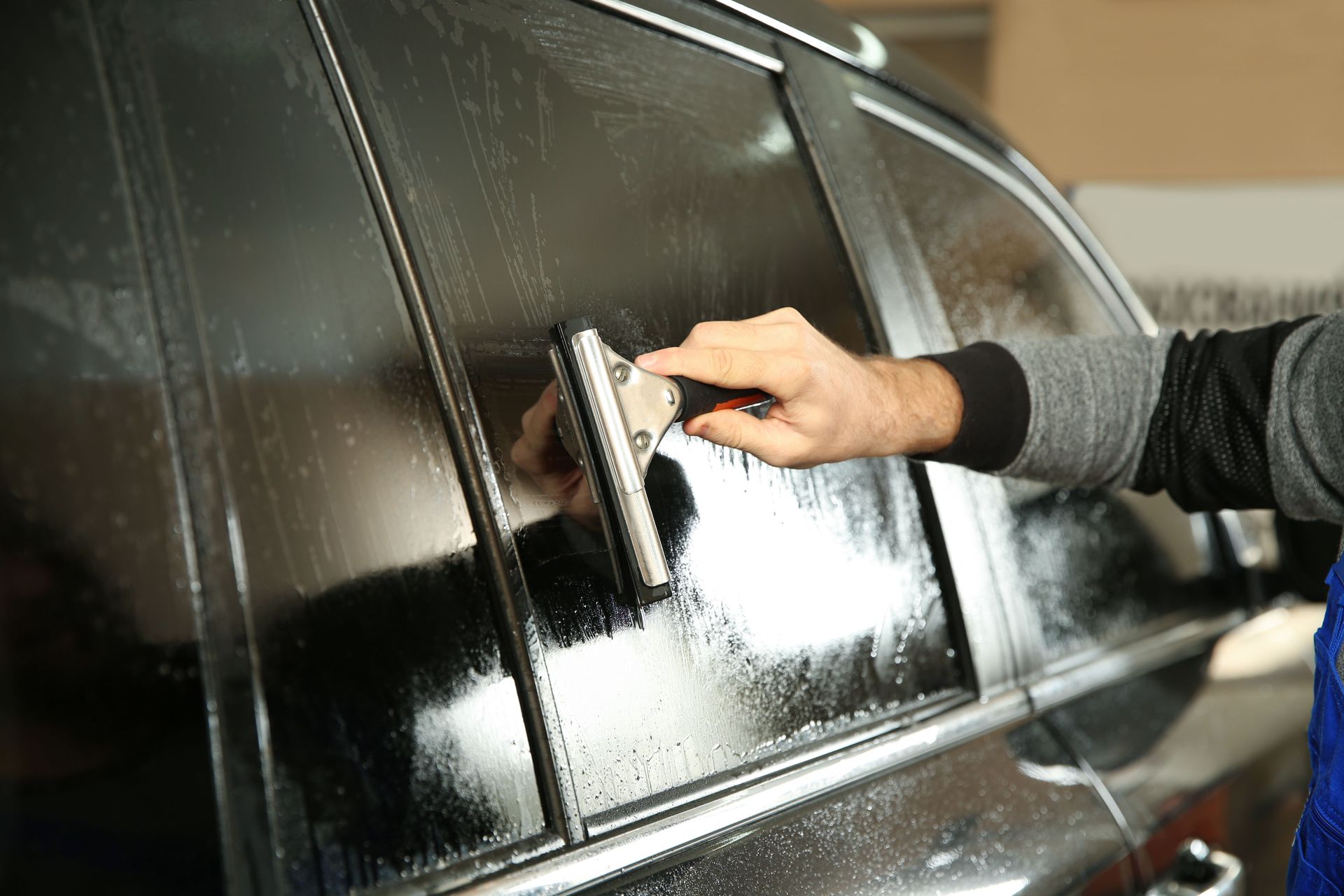
Window tinting has become a practical and popular upgrade for both vehicles and homes. It provides enhanced comfort, protects interiors, and adds privacy while improving energy efficiency. Consumers are increasingly recognizing its blend of functionality and aesthetic appeal, making it a smart investment in modern living. The combination of technological innovation and growing consumer awareness has transformed window tinting from a niche aftermarket choice into a mainstream solution for practical lifestyle upgrades.
Tracing The Origins of Window Tinting
Window tinting first appeared in the early 20th century but gained momentum in the automotive industry during the 1960s and 1970s. Early films focused on reducing glare and heat, though they often bubbled, faded, or peeled. These challenges inspired innovations that led to more durable and effective solutions over time.
Dyed window films became a common first step, providing basic heat reduction and glare protection. Later, metalized films introduced better durability and enhanced heat rejection, paving the way for hybrid and ceramic options. By the 1980s and 1990s, hybrid films provided a balanced approach to performance and aesthetics, while ceramic options offered high-end protection.
The evolution of window tinting reflects the industry’s ability to respond to growing consumer expectations for both utility and style. Early automotive enthusiasts appreciated the added comfort of cooler interiors during summer drives, while home installations gradually became recognized as a way to improve energy efficiency. Over time, window tinting moved from novelty to necessity, with a focus on combining functionality with sleek, modern aesthetics.
Advancing The Technology Behind Tinting
Technological advancements have dramatically improved window tinting efficiency and reliability. Nano-ceramic films, for example, block UV rays and reduce heat while maintaining visibility. Ceramic films offer heat rejection without reflective glare, and improved adhesives prevent peeling and bubbling.
Auto ppf services now integrate these advanced films for both vehicles and architectural applications, offering a combination of protection and style. Spectrally selective films take this further, blocking infrared radiation while allowing visible light to pass, enhancing energy efficiency in buildings and comfort in vehicles. Modern films also resist scratches, maintain clarity, and minimize fading over years of exposure, making them a long-term investment.
In practice, drivers report noticeably cooler interiors on hot summer days, while homeowners notice lower energy bills during peak cooling months. Vehicle owners often remark on reduced glare during sunrise and sunset, which increases driving comfort and reduces eye strain. Such practical improvements highlight why consumers are increasingly seeking professional auto ppf services rather than DIY solutions. The ease of maintenance, combined with long-lasting results, makes these upgrades an attractive choice for anyone prioritizing convenience and quality.
Understanding Consumer Motivations and Trends
Demand for window tinting is fueled by a mix of practical benefits and aesthetic considerations. Many consumers want cooler interiors, UV protection, and enhanced privacy. According to research from World Metrics, approximately 68% of U.S. consumers tint their vehicle windows for UV protection, and 52% cite heat reduction as a key reason. This shows that practical benefits drive adoption alongside style.
Environmental concerns also influence consumer choices. Window films reduce reliance on air conditioning, contributing to energy savings and lower environmental impact. For homeowners, tints on south-facing windows can dramatically decrease indoor temperatures and protect furnishings from sun damage. For vehicle owners, tinting prevents dashboard cracking and upholstery fading, extending the life of a car’s interior while enhancing resale value.
Customization has also become a major trend. Consumers can select different shades, finishes, and even specialized films that reduce glare without making windows appear excessively dark. Auto ppf services offer guidance on the optimal choice, ensuring both compliance with local regulations and alignment with personal preferences. Social media exposure has also contributed to the popularity of window tinting, as influencers and lifestyle content showcase visually appealing cars and homes that combine style with practical benefits.
Highlighting Key Players and Innovating Solutions
The growth of window tinting has been driven by both large manufacturers and smaller innovators. Companies like 3M and Eastman Chemical invest in research to create durable films with superior heat and UV protection. Their advanced multi-layer designs improve performance, clarity, and longevity. Smaller firms and regional installers offer niche products and personalized guidance, helping consumers choose the right film for climate, window orientation, and style.
Collaboration with technology providers and academic institutions has further advanced materials and installation techniques, allowing films to integrate seamlessly with vehicles and smart homes. Real-world examples highlight these innovations: luxury car owners use ceramic films to maintain interior temperatures in extreme heat, while commercial buildings install reflective films to reduce energy costs and improve comfort. Together, these efforts demonstrate the versatility and growing impact of auto ppf services.
Navigating Legal and Regulatory Considerations
Legislation heavily influences window tinting practices. Legal limits on tint darkness vary across states and countries, balancing privacy, safety, and visibility. Compliance is critical for consumers and installers alike.
In the U.S., some states allow darker tints to address extreme heat, while others impose stricter limits to ensure road safety. Auto ppf services help clients navigate these regulations, ensuring installations remain fully compliant. Internationally, regional differences reflect climate and safety priorities, with Middle Eastern countries generally permitting darker tints and European regulations enforcing stricter limits.
Understanding the legal landscape is vital. Noncompliance can lead to fines, failed inspections, or the need to remove improperly installed tints. Professional installers also ensure that films meet specific performance standards, protecting clients from subpar materials that degrade rapidly. This attention to regulation, combined with quality service, reinforces the value of relying on auto ppf services for installation.
Exploring Types of Window Tinting
Different films offer unique benefits for privacy, heat reduction, and style. Dyed films provide affordability and basic glare reduction, though they are less effective at blocking heat. Metalized films reflect sunlight, enhance durability, and protect interiors but can interfere with electronics and create glare.
Hybrid films combine dyed and metalized layers to balance aesthetics, UV protection, and signal clarity. Ceramic films deliver high-performance heat and UV rejection without reflectivity, maintaining visibility while protecting interiors. Carbon films offer heat rejection, UV protection, and a matte finish without metallic shine or signal interference. Each option presents a distinct balance of cost, performance, and visual appeal, allowing consumers to select a film that best suits their priorities. Auto ppf services can guide this choice and ensure professional, long-lasting installation.
Real-life applications show the versatility of these options. Families in hot climates often choose ceramic films for maximum heat rejection, while city drivers prefer hybrid or carbon films for aesthetics and privacy. Commercial buildings may select reflective or spectrally selective films to reduce energy usage without altering window transparency. The adaptability of these products demonstrates that window tinting can address a wide range of needs and environments.
Maximizing The Benefits of Window Tinting
Tinted windows improve privacy, enhance security, and reinforce glass to reduce injury risks from breakage. They reduce heat gain, lowering energy bills, and protect interiors from fading and UV damage. Aesthetically, tinting enhances the appearance of vehicles and buildings, offering sleek, polished finishes.
Auto ppf services provide professional installation and customization, ensuring the optimal balance of protection, comfort, and style. Beyond functionality, window tinting can positively affect lifestyle. For example, drivers report less eye strain on long commutes, and homeowners notice improved indoor comfort during peak summer hours. Over time, these benefits contribute to cost savings, reduced energy consumption, and increased property or vehicle value. With long-term advantages and minimal maintenance, window tinting stands out as a practical, effective upgrade.
Window tinting has emerged as a functional, stylish, and energy-efficient solution for vehicles and homes. From privacy and security to heat reduction and aesthetics, the benefits are clear. Professional installation ensures optimal performance and longevity. For expert advice and quality service, explore auto ppf services at The Tint Shop.