October 5, 2026
Your vehicle faces a constant barrage of threats every time it leaves the driveway. Gravel kicked up by the truck ahead, bugs splattered across the front bumper, bird droppings baking in the afternoon sun, and tree sap dripping in parking lots all take a toll on factory paint. Over time, these small hazards add up to chips, stains, and dull patches that diminish your car's appearance and resale value. Paint protection film offers a clear, durable barrier against that daily wear, but the results you get depend heavily on the choices you make before, during, and after installation. A well-planned PPF service can keep your finish looking showroom-fresh for years, while a rushed or poorly informed one can leave you with peeling edges, bubbles, and gaps in coverage. The following tips will help you get the most from your investment and keep damage at bay.
1. Choose the Right Film for Your Driving Habits
Not every film is built for the same purpose, so start by thinking honestly about how you use your vehicle. If you mostly commute on paved streets and want your paint's natural color and gloss to shine through, a virtually invisible film such as Incognito may be the ideal fit. It guards against stone chips, road debris, and environmental contaminants while preserving that fresh-from-the-showroom look.
On the other hand, if you regularly drive on rural highways, gravel roads, or through construction zones, you'll want something tougher. A heavy-duty film like Road Guard is engineered to absorb impacts from gravel, bugs, and other road hazards, and its self-healing top layer helps light scratches fade away. Discussing your daily routes, parking situation, and long-term plans for the vehicle during your PPF service consultation allows a trained installer to recommend the film that matches your real-world needs rather than a one-size-fits-all product.
2. Prioritize Coverage on High-Impact Areas
Some parts of your vehicle take far more abuse than others. The front bumper, hood, fenders, side mirrors, and headlights sit directly in the path of flying debris, while rocker panels and the areas behind the wheels catch pebbles thrown by your own tires. Door edges and handle cups also take a beating from rings, keys, and careless neighbors in tight parking spaces.
If your budget doesn't allow for full-body coverage, focus on these zones first. A partial front-end package protects the surfaces most likely to chip, and you can always expand coverage later. When planning your PPF service, ask your installer to walk you through the coverage options and point out any vulnerable areas specific to your make and model. Experienced technicians know where each vehicle tends to show wear first, and that knowledge helps you spend your money where it will do the most good.
3. Verify the Installer's Experience and Warranties
The film itself is only half of the equation. Even the best product can fail if it's stretched too thin, trimmed carelessly, or applied over contaminated paint. That's why vetting your installer is one of the most important steps you can take.
The good news is that you have plenty of options when it comes to finding a dedicated specialist. According to Wifi Talents, roughly 80% of window tinting businesses are small or family-owned, which shows just how independent most providers in this field tend to be. Many of these shops also handle paint protection film, and a locally owned business often brings a personal level of accountability that larger chains can't match. Still, independence alone doesn't guarantee quality.
Before booking a PPF service, ask how long the team has been installing film, request photos of past projects, and read customer reviews. Just as importantly, ask about warranties. Reputable professionals typically offer manufacturer-backed coverage, and some provide no-fault or lifetime guarantees. A strong warranty signals that the installer stands behind both the product and the workmanship, giving you recourse if yellowing, lifting, or bubbling ever appears.
4. Prepare Your Paint Before Installation
Paint protection film preserves whatever is underneath it, including swirl marks, embedded contaminants, and minor scratches. If your vehicle isn't brand-new, the surface should be thoroughly cleaned, decontaminated, and, in many cases, lightly polished before any film goes on. Skipping this step can trap imperfections permanently beneath a clear layer.
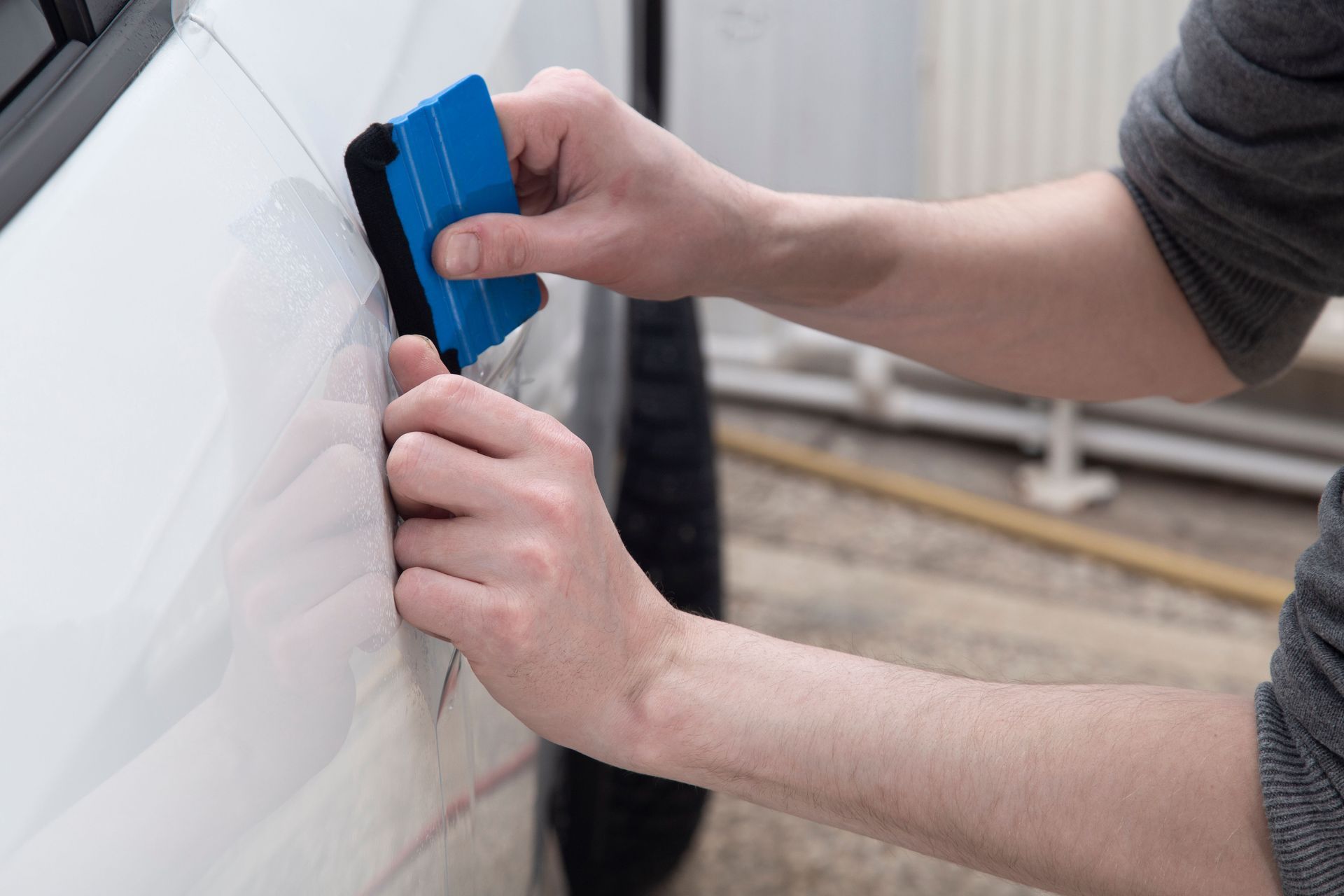
A professional PPF service includes careful paint evaluation and surface prep as part of the process. Trained technicians inspect the condition and type of your paint, including metallic, pearlescent, and custom finishes, to make sure the film will adhere evenly and look flawless. If you're tempted to try a DIY kit to save money, remember that proper prep requires specialized tools, a clean environment, and a trained eye. Leaving this step to experienced hands prevents costly do-overs.
5. Allow the Film to Cure Properly
Once installation is complete, patience becomes your best friend. Most films need time for the adhesive to fully bond and for any remaining moisture from the application solution to evaporate. During this period, you may notice small hazy spots or tiny water pockets, which typically disappear on their own as the film cures.
To avoid disrupting that process, follow your installer's aftercare instructions closely. In general, that means holding off on washing the vehicle for several days, avoiding high-pressure water near the film's edges, and resisting the urge to pick at or press on any visible bubbles. Parking in a garage or shaded area during the first week can also help the adhesive set evenly. Any reputable PPF service should give you clear guidance on the curing timeline, and following it protects both the film's performance and your warranty.
6. Wash Your Protected Vehicle With Care
Paint protection film is tough, but it isn't invincible. Harsh chemicals, abrasive tools, and aggressive washing techniques can dull the top coat or lift the edges over time. Use a pH-neutral car shampoo, soft microfiber mitts, and clean towels to remove dirt and grime without scratching the surface. Avoid automated car washes with stiff brushes, and keep pressure washer nozzles at a safe distance from film edges.
Contaminants like bird droppings, bug residue, and tree sap should be removed promptly, since they can etch into the surface if left to bake in the sun. Whenever possible, park in shaded spots or use a quality car cover to limit UV exposure. Periodically applying a detailing spray recommended by your technician can also restore gloss and water-beading properties. Scheduling occasional check-ins after your PPF service gives a professional the chance to spot early signs of wear before they become bigger problems.
7. Pair Your Film With a Ceramic Coating
For drivers who want the highest level of protection, combining paint protection film with a ceramic coating creates a powerful one-two punch. The film absorbs physical impacts from rocks and debris, while the ceramic coating bonds with the surface at a molecular level to create a slick, hydrophobic layer that repels water, dirt, and grime. Together, they make routine cleaning easier and help the film resist staining.
Ceramic coatings can also be applied to areas left uncovered by film, such as the roof or rear panels, so your entire vehicle benefits from added shine and protection. Because coatings require meticulous surface prep and controlled application, this is another job best left to trained professionals. Ask about bundling a coating with your PPF service, since many shops offer discounts on combined services, making it more affordable to protect every surface.
Protecting your vehicle's paint is about more than choosing a film and hoping for the best. By selecting the right product for your driving habits, focusing coverage on high-impact zones, vetting your installer, prepping the paint, respecting the curing process, washing with care, and considering a ceramic coating, you set yourself up for years of lasting protection. Each of these steps works best when guided by experienced professionals who understand how to match materials and techniques to your specific vehicle.
If you're ready to shield your car from chips, scratches, and the elements, we'd love to help. At The Tint Shop, we bring decades of hands-on experience to every PPF service, offering premium films like Incognito and Road Guard backed by no-fault and manufacturer warranties. Contact us today to request a same-day estimate, and let us give your vehicle the lasting protection it deserves.